
Plenty of people who call me about land assume it works just like a house. You find it, you get a loan, you close. Sometimes it does. Often it does not. A little homework with a lender before you start looking can save you a lot of frustration later.
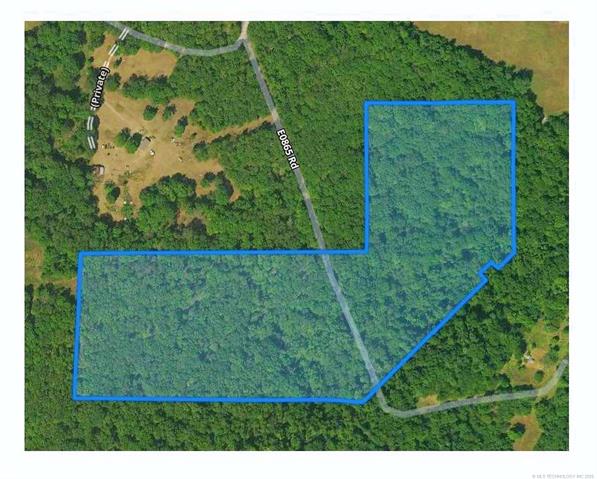
An example: 473990 E 865 Rd, Stilwell
I have this one listed at $99,500. It is 34.5 acres of heavily wooded land with a 100-foot rock embankment and three natural springs, per the seller. Minerals do not convey unless they are abstracted and researched separately. Livestock and mobile homes are allowed. A property like this is a good example of land that a lender will want to look at closely before they agree to anything.
Why land loans are different
A house gives the bank something to hold: walls, a roof, and a home that someone can live in. Raw land is harder for a bank to value and harder to resell if something goes wrong. Because of that, lenders may ask for a larger down payment, a shorter loan term or a different rate than they would on a home loan. The details vary from lender to lender, so ask.
Questions for your lender
- Do you make loans on raw land, and on acreage this size? Not every lender does, and some have limits on the number of acres.
- How much will I need down? Ask for the number in writing for the specific kind of property.
- What is the loan term and rate? They can differ from a home mortgage.
- Do you need a survey, an appraisal or a soil test? Each one adds time and cost.
- Will you finance a build later? If you plan to put a home on the land, ask about a construction loan and how it connects to your land loan.
- Does the land have road access? Lenders often want to see legal access they can count on.
Other ways people pay for land
Some buyers use cash, or equity in another property they own. Some ask the seller whether they would consider owner financing. Every one of those options has risks and paperwork. Before you sign anything, talk with a lender, a title company or an attorney about how it works.
Get your numbers first
Before we go walk a piece of land, I like to know your budget and how you plan to pay for it. It saves your time and mine, and it helps me show you land you can actually buy. Remember to count the extras: the survey, closing costs, taxes, any clearing, a well or septic, and the driveway.
This is general information, not financial advice. Your lender can tell you what applies to you. I'm Dayna Hume with Century 21 Wright Real Estate. Text me at 918-696-9405.
Questions about your own situation? Text or call me at 918-696-9405.